Humanizing the digital gifting experience through personalized, emotional UI design
Redesigning digital gifting to feel more personal, which helped secure early-stage investor traction.
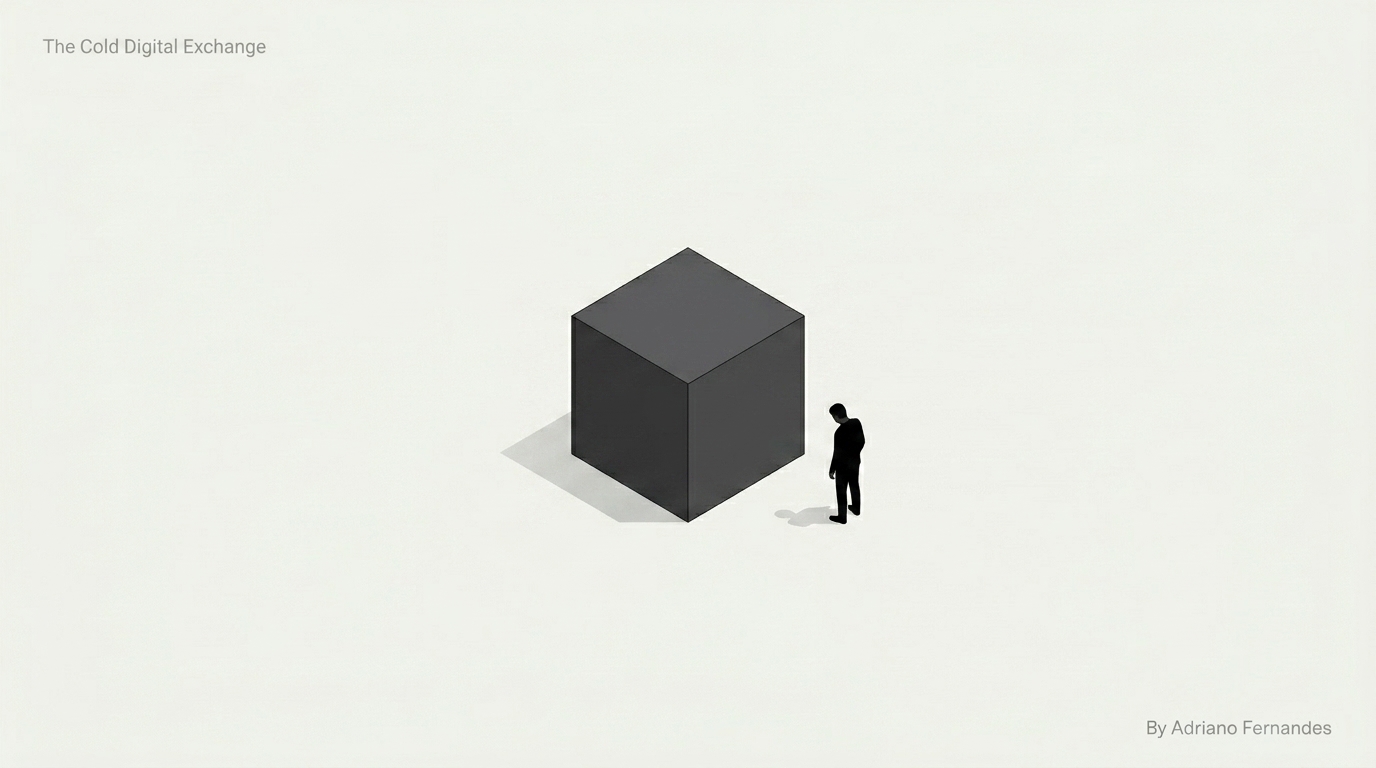
The Cold Digital Exchange
The founder of GiftMail came to me with a clear problem: digital gifting felt cold. Most platforms were purely transactional. You pick an item, pay, and send an email. The exchange lacked the thought and care that comes with giving a physical gift to a family member or client. We needed to make the digital transaction feel like a real connection.
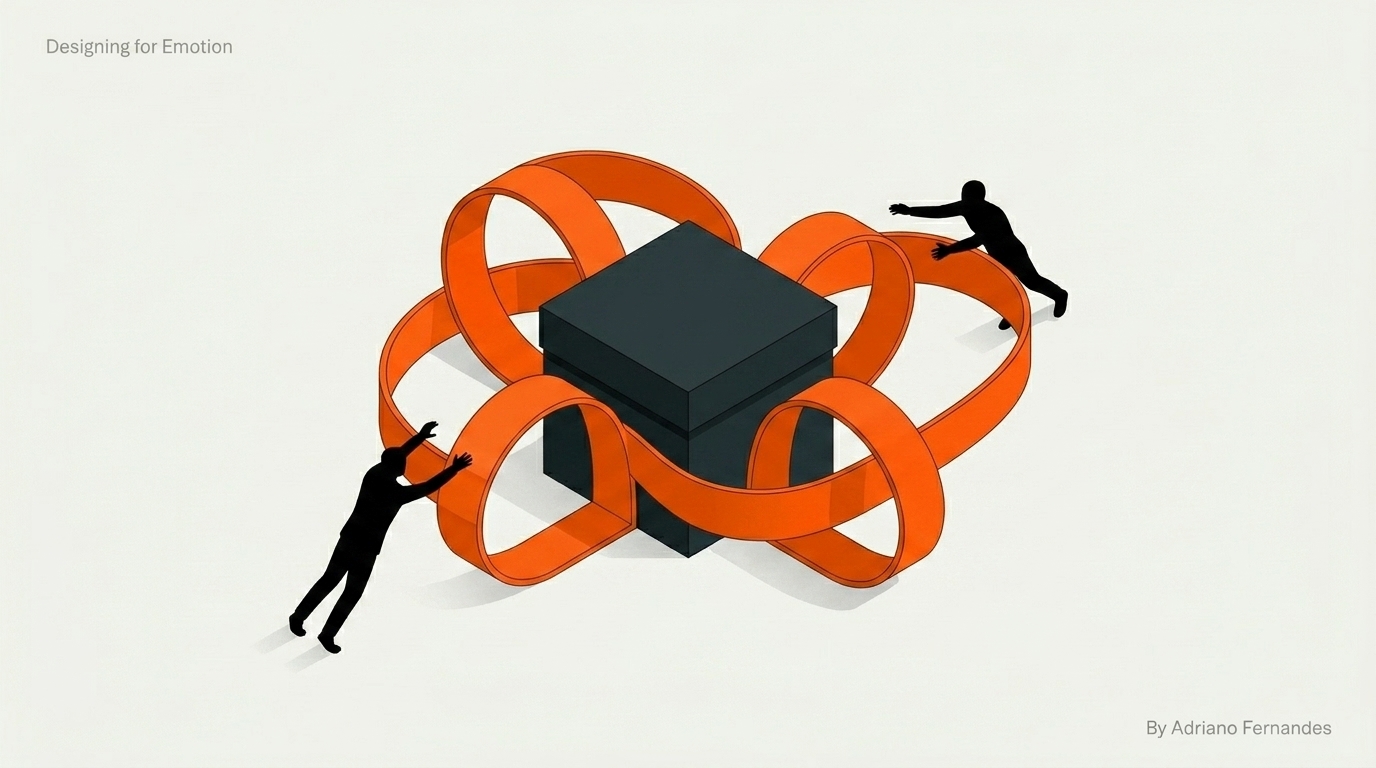
Designing for Emotion
As the only UX designer responsible for everything from branding to the final UI, I focused on the emotional side of the experience. I built a high-fidelity prototype that balanced business goals with what users actually wanted to feel. The solution relied on an inviting visual language and a straightforward customization flow. This ensured the personal thought behind the gift remained the main focus.
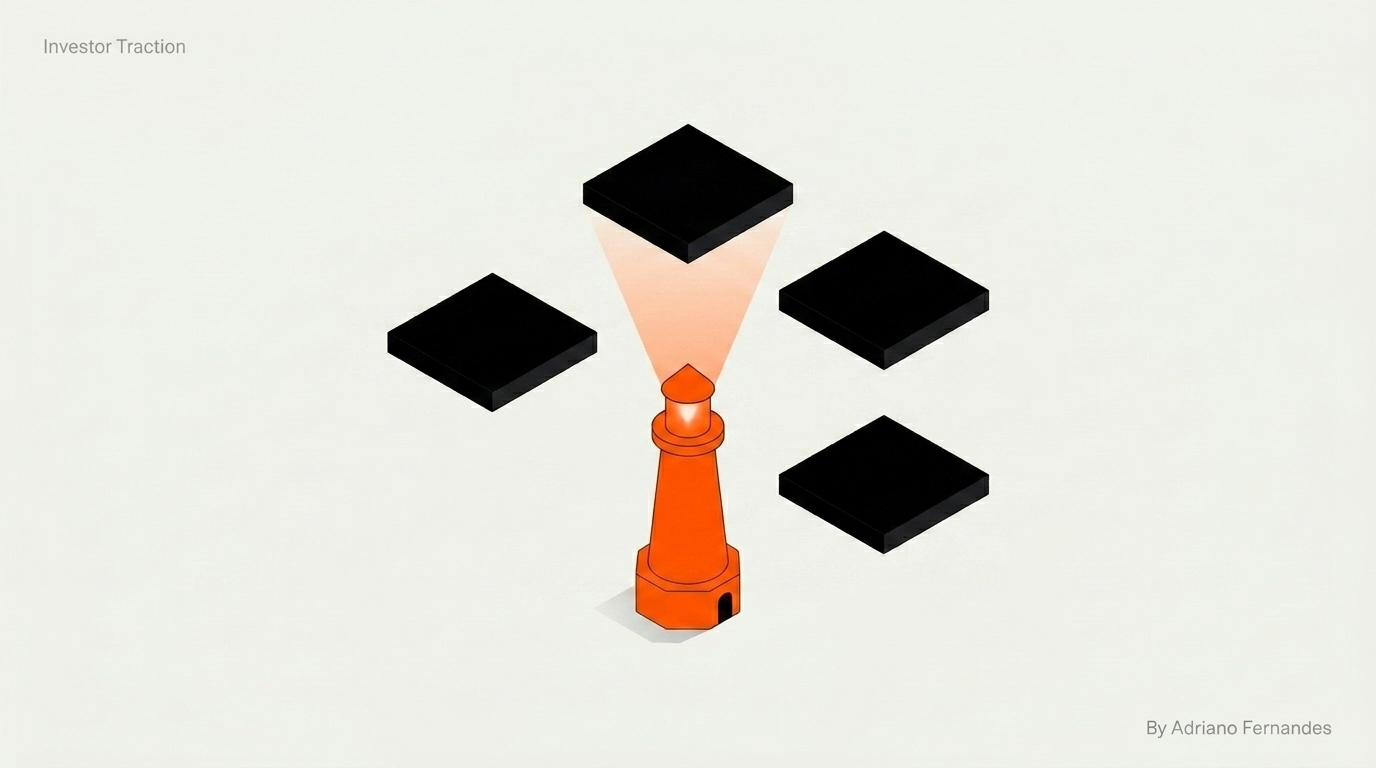
Investor Traction
The prototype tested well and resonated with both users and investors:
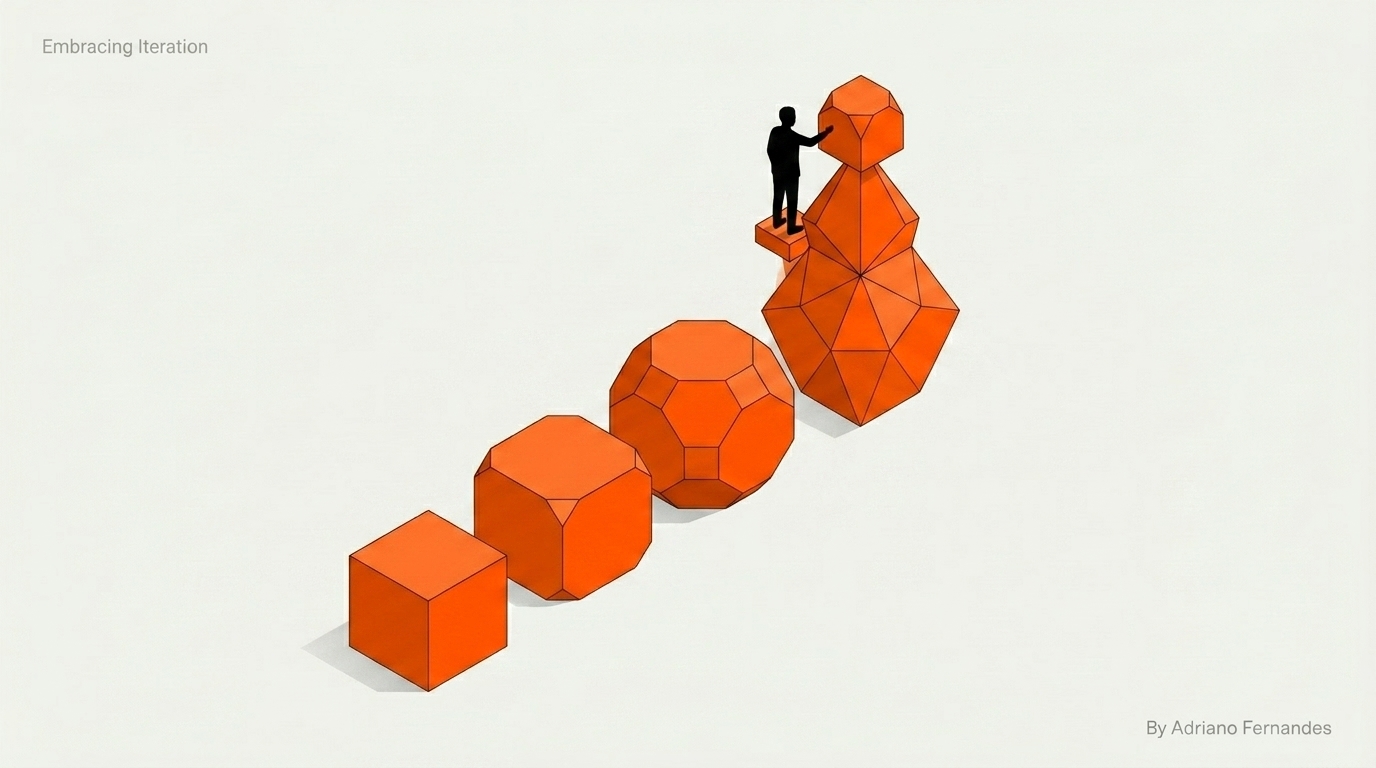
Embracing Iteration
This project was a lesson in balancing vision and reality. I had to be honest about my own design assumptions. My early concepts didn't quite hit the level of personalization the founder wanted. This taught me to stop defending my initial ideas and start using stakeholder feedback to improve the product. Listening is the best way to build something that actually works.