Supporting an AI-First Design System to merge design intent with production code
Transitioning from static design handoffs to a seamless, code-integrated ecosystem where design and production share a single source of truth.
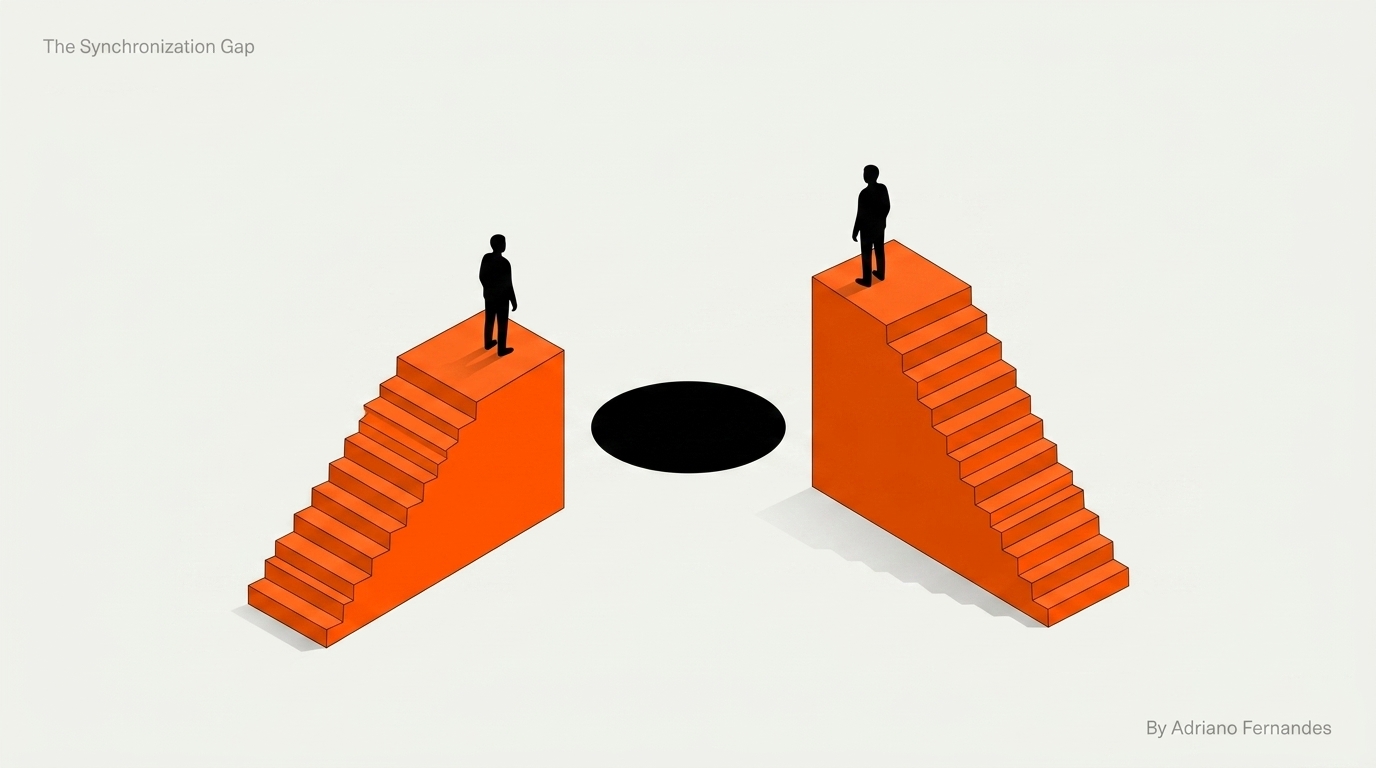
The Synchronization Gap
The disconnect wasn't just between different software tools; it was between design intent and the final product. We were designing static interfaces and expecting them to magically translate into functional code. This gap created friction, technical debt, and constant back-and-forth. The reality is that everything we see on a screen is ultimately code. Treating design as a separate, static phase was breaking the product before it even shipped.
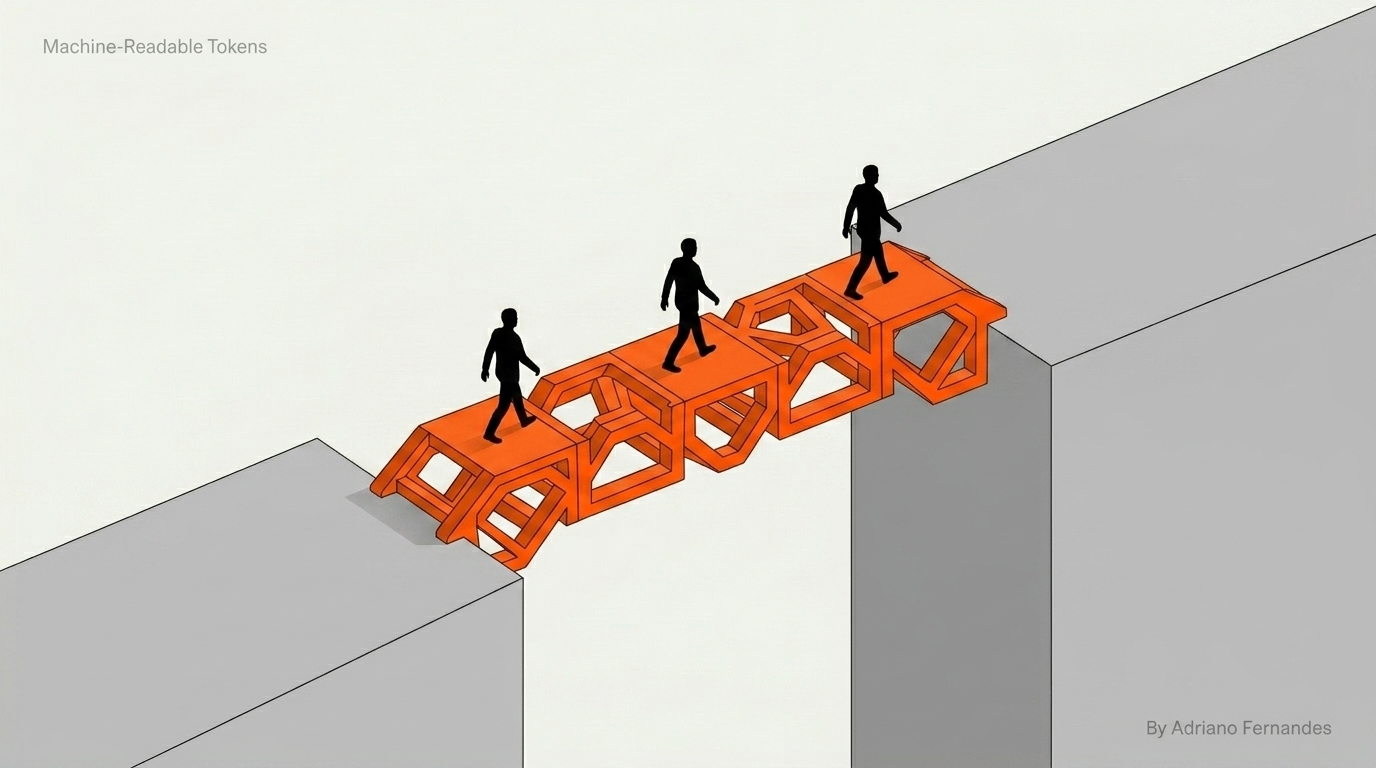
A Seamless Ecosystem
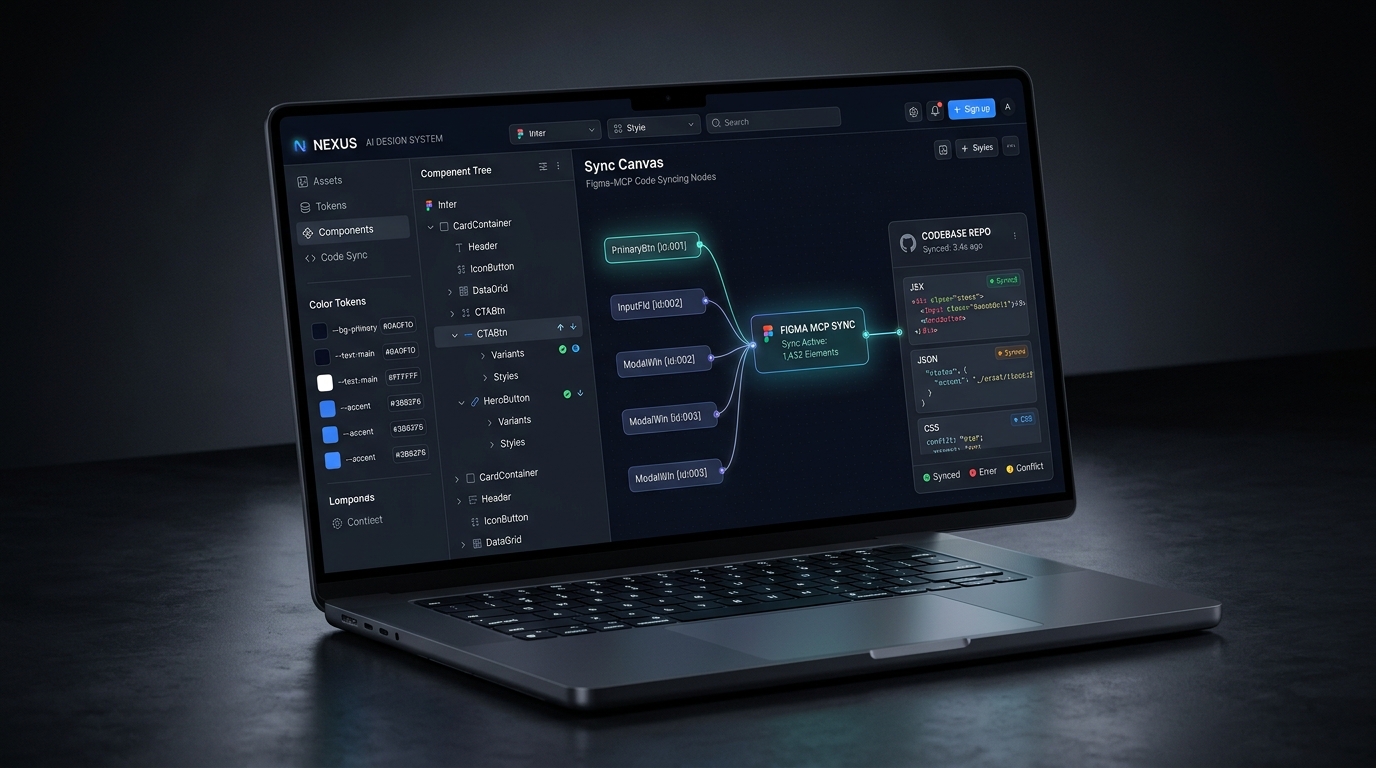
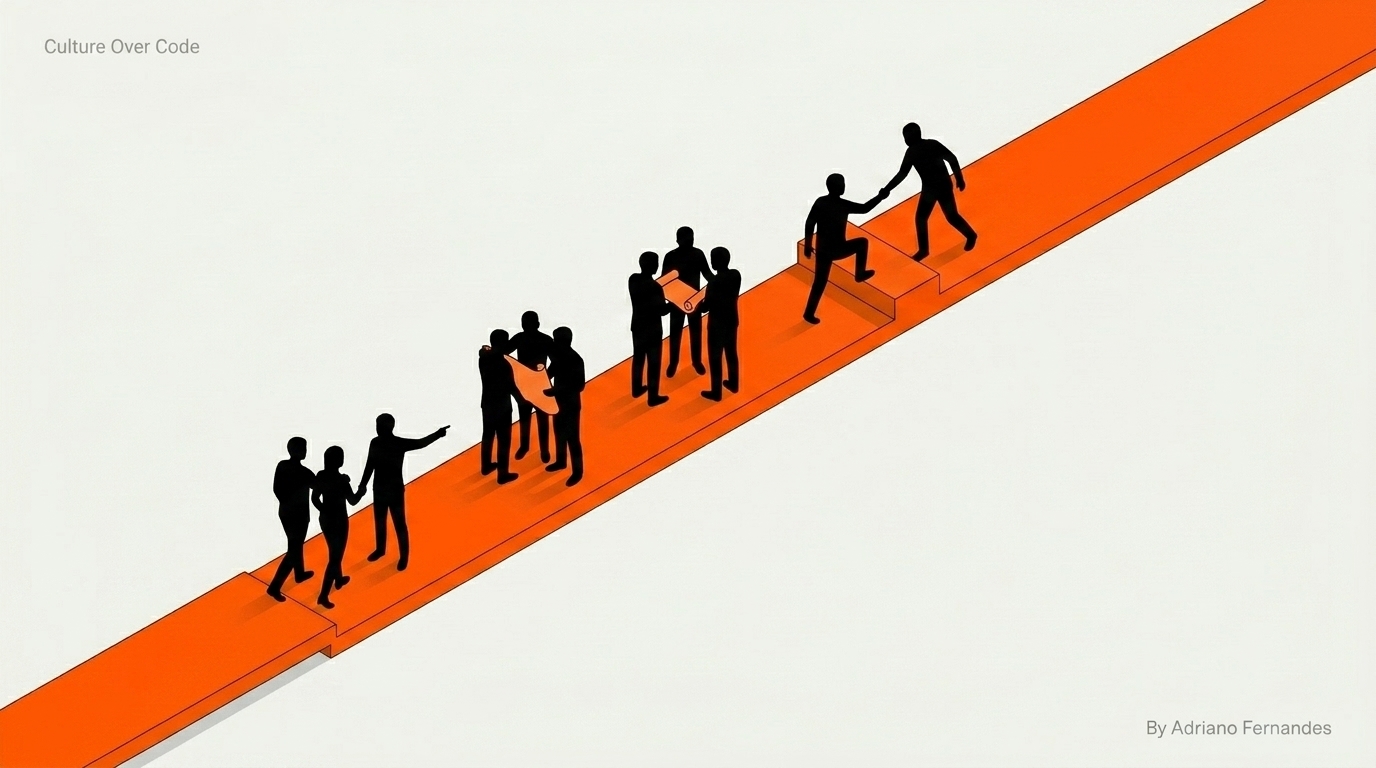
To fix this, we had to stop looking at design as a handoff and start treating it as an integrated ecosystem. My role was to support this shift. This meant stepping out of standard design software and understanding the actual code environment: repositories, deployments, and logic. A key part of this strategy was letting go of the legacy mindset that every atomic component must be custom-authored. Instead, we decided to leverage an existing robust framework, PrimeNG. This unlocked immediate speed, but more importantly, it gave us a solid, predictable structure. By working within a standardized framework and establishing a shared language of design tokens, we gave AI tools plausible, structured context to produce UI quickly and cohesively. We connected the initial intent directly to the codebase, ensuring that any design decision was automatically a code decision.
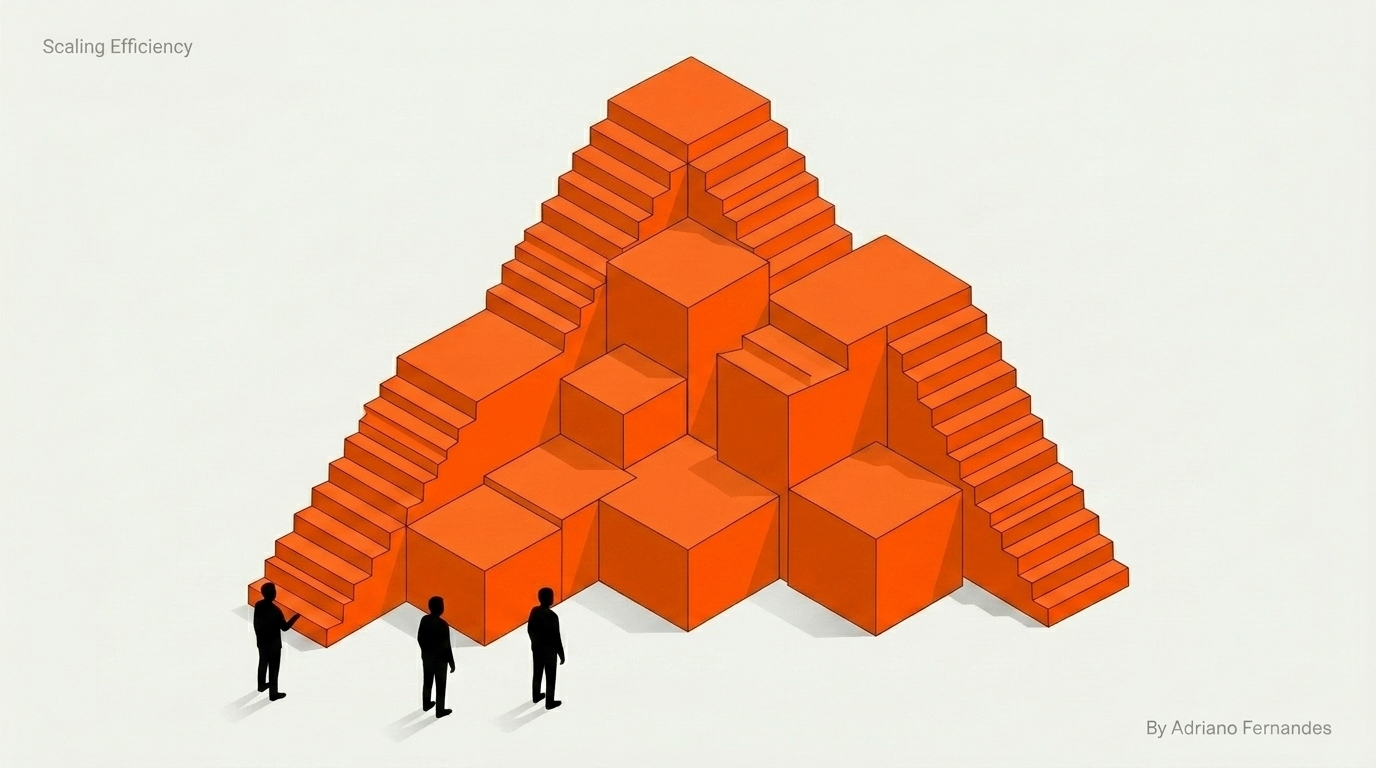
Scaling Efficiency
This bridge between design intent and production fundamentally changed how we shipped complex data tools:
The New Reality
This project fundamentally changed how I view the role of a designer. It's no longer enough to craft layouts in a vacuum. The modern reality demands that designers understand the technical foundation of what they are building. True impact happens when you stop fighting the friction of handoffs and start treating design and development as a single, continuous process.